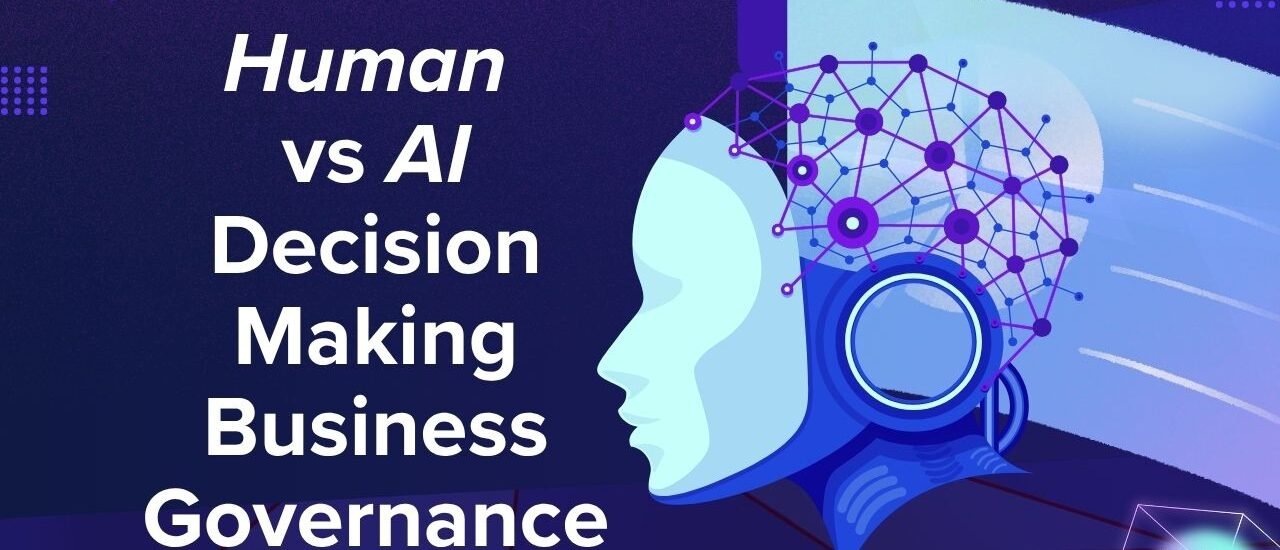
Human vs AI Decision-Making: Drawing the Right Line in Business
Artificial intelligence is transforming how modern companies process data and predict outcomes. However, balancing human vs AI decision making remains a critical strategy for leaders navigating digital transformation.
Every executive faces a pressing challenge today. Knowing when to rely on algorithmic speed and when to preserve human wisdom can determine company success or failure. As machine learning tools embed themselves into daily corporate workflows, experts at GLCampus believes that establishing clear operational boundaries has become an essential pillar of modern enterprise governance.
Where AI Excels in Analysis and Speed
Machine learning models process massive data sets in seconds, offering computational speed that no human team can match. Modern algorithms identify subtle market trends, detect complex financial anomalies, and optimize global supply chains far faster than traditional management structures.
Using automated systems reduces operational delays and removes routine human bias from numerical data crunching. Businesses that adopt machine-driven analysis gain significant competitive advantages in raw operational efficiency, enabling rapid responses to volatile market shifts and changing customer habits.
Furthermore, predictive analytics platforms allow enterprises to run thousands of stress-test scenarios simultaneously. This level of computational thoroughness helps risk managers identify potential supply bottlenecks or credit risks long before they manifest in daily operations.
Where Human Judgment is Irreplaceable
Despite rapid technological advances, algorithms lack essential human attributes needed for high-level executive leadership. Machine systems process historical inputs and statistical probabilities without genuine understanding of real-world context or moral implications.
Contextual Understanding and Empathy
Computers cannot feel empathy or evaluate emotional nuances during corporate crises, workforce restructuring, or delicate client negotiations. Strategic leadership often requires compassion, ethical reflection, and nuanced cultural sensitivity that quantitative numbers alone cannot provide.
High-Risk Domains and Strategic Creativity
Navigating unprecedented market shifts or industry transformations requires creative intuition and vision. Human leaders excel at making bold, innovative choices during high-stakes scenarios where historical training data provides little guidance or precedent.
In addition, complex regulatory environments often involve legal ambiguities that require qualitative interpretation. An algorithm can flag potential compliance issues, but human executives must evaluate societal expectations, brand reputation, and long-term shareholder trust before finalizing critical decisions.
Building Hybrid Decision Frameworks
Winning organizations do not choose between technology and people. Instead, they combine computational power with human oversight through structured hybrid frameworks that maximize efficiency while safeguarding organizational integrity.
- Define Approval Thresholds: Establish clear operational cost and risk thresholds where automated systems can act independently versus where human sign-off is mandatory.
- Maintain Executive Oversight: Reserve human review for high-risk strategic choices, major capital allocations, and long-term market entry investments.
- Protect Workplace Trust: Require dedicated human evaluation for decisions directly affecting workforce welfare, performance management, and customer privacy rights.
- Integrate Qualitative Insights: Combine fast, algorithmic data insights with qualitative executive discussions and board level perspectives.
- Implement Circuit Breakers: Establish automated stop triggers that immediately freeze algorithmic executions if market parameters exceed safe boundaries.
Governance and Accountability Structures
Deploying digital tools without strong governance creates serious operational vulnerabilities. Organizations must establish clear policy frameworks, safety protocols, and cross-functional ethics boards before scaling technology across key business units.
Bias and Hallucination Risks
Algorithms frequently reflect underlying training data biases, leading to unintended discrimination or distorted market forecasts. Furthermore, generative and predictive tools can generate completely incorrect conclusions with high confidence, creating hidden operational hazards for unwary executives.
Transparency Requirements and Audit Trails
Regulators, investors, and consumers increasingly demand clear explanations for major business outcomes. Maintaining transparent evaluation processes ensures every automated recommendation remains explainable, accountable, and fully audit-compliant under international governance standards.
Leadership Responsibility
Computers cannot accept legal, regulatory, or moral accountability for enterprise choices. Executive leadership and corporate boards must retain ultimate responsibility for corporate actions, legal compliance, and customer outcomes.
Practical Implementation for Business Leaders
Successfully integrating digital intelligence into corporate culture requires continuous policy refinement, change management, and ongoing workforce upskilling. Leaders must define clear operational boundaries across all business departments to ensure smooth adoption.
- Regular System Audits: Conduct routine risk assessments and performance audits on automated software workflows to catch output drift early.
- Upskill Management Teams: Train leaders and department heads to critically evaluate algorithm recommendations rather than accepting them blindly.
- Align with Core Values: Protect core organizational values, ethical standards, and brand identity during automated tool deployments.
- Monitor Output Quality: Continuously evaluate automated decision quality across marketing, finance, human resources, and supply chain management.
- Foster Open Dialogue: Encourage employees to report algorithmic errors or biased outcomes without fear of pushback, creating a culture of continuous oversight.
The Future of Organizational Leadership
As digital capabilities continue to expand, the role of human leaders will evolve rather than disappear. Modern executives must act as curators of machine intelligence, filtering algorithmic outputs through the lenses of wisdom, strategy, and ethics.
Combining technical computational power with ethical reflection allows businesses to innovate safely, respond to dynamic markets, and protect long-term enterprise value. The future belongs to organizations that harness artificial intelligence to empower human talent rather than replace it.
Frequently Asked Questions
Why is human vs AI decision making crucial for modern business governance?
Balancing technology with human oversight prevents costly operational mistakes and maintains legal compliance. Relying solely on algorithms creates severe governance risks, whereas combining both ensures speed alongside sound ethical control across all departments.
What are the biggest risks of over relying on automated decision systems?
Over reliance on automated systems exposes businesses to hidden algorithm biases, inaccurate data hallucinations, and sudden strategic failures. Without human oversight, automated systems cannot adapt to unexpected economic shifts, legal nuances, or complex human situations.
Which business areas should never be fully automated by artificial intelligence?
High-stakes choices involving organizational ethics, major personnel changes, executive strategy, board governance, and legal compliance should always retain human oversight. These sensitive areas demand empathy, moral reasoning, and personal accountability that technology cannot replicate.
How can companies reduce bias when using analytical software for operations?
Companies reduce analytical bias by auditing training data regularly and implementing strict oversight frameworks. Training staff to question automated outputs and maintaining human evaluation steps ensures recommendations remain fair, balanced, and accurate.
What steps help leaders build a successful hybrid evaluation strategy?
Leaders build effective hybrid strategies by defining clear boundaries between routine data tasks and complex choices. Automating repetitive data workflows while reserving strategic oversight for human management creates the ideal operational balance for scalable growth.