
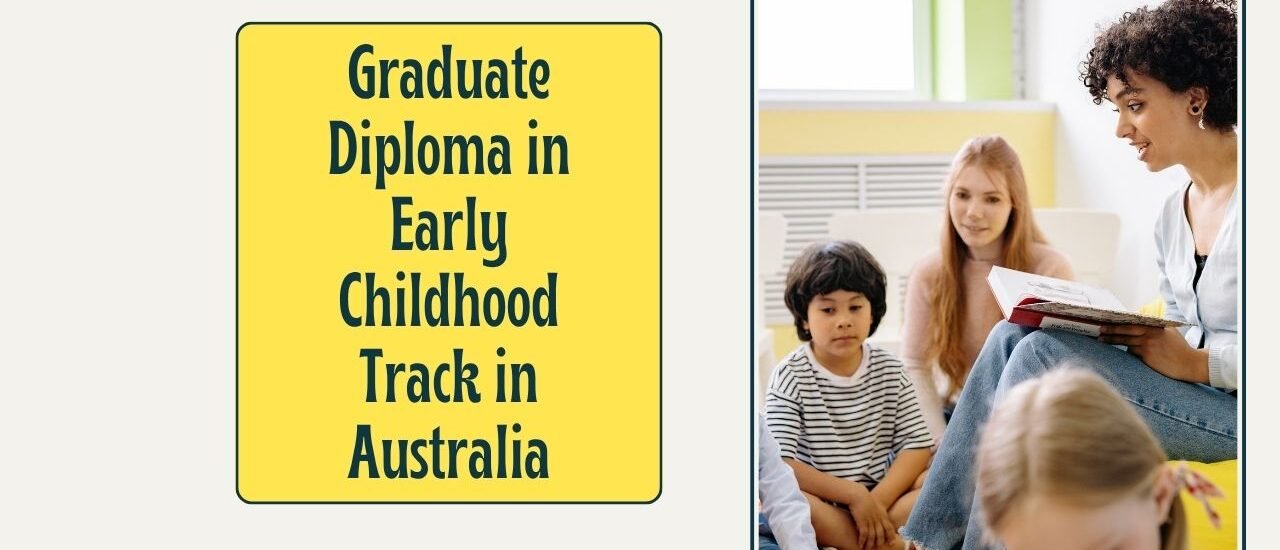
Studying in Australia offers a range of education pathways for people interested in working with young children. A graduate diploma in early childhood can provide a focused pathway for students and professionals who want to build knowledge and skills in early childhood education.
This GL Campus guide helps you in understanding the course structure, entry requirements, career opportunities, and professional outcomes can help you decide whether this qualification suits your goals.
What Is a Graduate Diploma Early Childhood?
A graduate diploma in early childhood is an intensive postgraduate program designed to transition university graduates into qualified early childhood professionals. It bridges foundational academic knowledge with practical teaching skills tailored for working with children from birth to five years of age.

The program equips candidates with advanced knowledge in key educational domains:
- Child Development: Understanding physical, emotional, cognitive, and social milestones.
- Early Childhood Learning: Studying play-based pedagogy and inclusive teaching approaches.
- Educational Theory: Applying historical and contemporary learning framework theories.
- Curriculum Planning: Designing early learning experiences across literacy, numeracy, science, and arts.
- Child Wellbeing: Establishing safe, inclusive, and supportive educational spaces.
- Professional Practice: Integrating theoretical study with real-world classroom settings.
Why Choose a Graduate Diploma Early Childhood in Australia?
Australia is a top choice for candidates pursuing a graduate diploma in early childhood due to its established early learning framework and strong educational infrastructure.
Strong Education Standards
Australia operates under national quality standards managed by bodies such as the Australian Children’s Education and Care Quality Authority (ACECQA). Studying here guarantees a credential that reflects high global educational benchmarks.
Practical Learning Opportunities
Most Australian programs require approximately 60 days of supervised professional experience. These mandatory placements help students apply academic principles inside early learning centers, kindergartens, and preschools.
Career-Focused Education
The curriculum focuses directly on classroom readiness. Instead of spending multiple years on broad theoretical studies, a graduate diploma in early childhood accelerates entry into the early learning sector.
7 Powerful Benefits of Studying Early Childhood
1. Build Specialized Knowledge
You gain a deep understanding of developmental stages during early childhood. This knowledge allows educators to address unique learning patterns, behavioral needs, and developmental milestones effectively.
2. Develop Practical Teaching Skills
Students build key operational competencies, including lesson planning, observational assessment, child-focused communication, and play-based learning facilitation.
3. Expand Your Career Options
Graduates can qualify for diverse roles across long-day care centers, early learning initiatives, preschools, public or private kindergartens, and educational consulting services.
4. Gain Professional Experience
Through structured practical placements, candidates gain real experience managing early learning environments, building professional portfolios, and networking with center directors.
5. Strengthen Your Academic Profile
Adding a recognized postgraduate qualification enhances your professional CV, demonstrating high-level commitment, specialization, and leadership potential to prospective employers.
6. Prepare for Further Study
A graduate diploma in early childhood can act as a bridge toward advanced academic research, master’s programs, or specialized educational qualifications.
7. Build Confidence for an Education Career
Combining academic theory with hands-on practice builds self-assurance, enabling graduates to lead early learning settings with competence and care.
Graduate Diploma Early Childhood Entry Requirements
Admission criteria vary across institutions, but programs generally share several standard expectations.
Academic Requirements
- Completion of an accredited Bachelor’s degree (AQF Level 7) in any discipline from a recognized institution.
- Some institutions evaluate extensive professional experience in early childhood settings alongside relevant non-degree qualifications.
- Submission of academic transcripts, a detailed CV, and relevant supporting identification.
English Language Requirements
International students must demonstrate English language proficiency. Common requirements include:
- IELTS Academic: Overall score ranging from 6.5 to 7.0 (with specific band requirements often higher for registration tracks).
- PTE Academic or TOEFL iBT: Equivalent minimum scores as accepted by individual universities.
- Exemptions often apply to candidates who completed prior higher education degrees in English-speaking countries like Australia, New Zealand, Canada, or the UK.
What Do You Study in a Graduate Diploma Early Childhood?
Coursework is divided into distinct learning modules that build key professional skills.
Child Development
Studies cover biological, emotional, and social development patterns during the initial five years of life.
Curriculum and Learning
Educators learn to design play-based learning frameworks integrating early literacy, STEM concepts, arts, and physical education.
Child Safety and Wellbeing
Modules emphasize national compliance, child protection laws, risk assessment, inclusive education, and building family-community partnerships.
Professional Practice
Supervised placement components integrate coursework directly into early learning settings.
How Long Does a Graduate Diploma Early Childhood Take?
Course timelines depend on study modes and institutional structures.
- Full-Time Study: Typically takes 1 year (or 2 semesters/trimesters) of intensive full-time study.
- Part-Time Study: Usually completed across 2 years, offering flexible study windows for working professionals.
- Delivery Modes: Options include on-campus attendance, online learning, or blended models, though practical placement days must be completed in-person at approved facilities.
Is This a Good Teaching Course Australia Option?
For candidates evaluating a teaching course Australia pathway, early childhood offers distinct advantages.
Before enrolling, compare key program factors:
- ACECQA Accreditation: Ensure the specific program is nationally accredited for early childhood teaching.
- Placement Length: Verify that the required 60 days of supervised practice are organized effectively by the institution.
- State Registration Compatibility: Confirm whether the program satisfies local state teacher registration authority criteria.
Career Opportunities After Graduation
Early Childhood Educator / Teacher
Planning and delivering educational programs for preschool and kindergarten-aged children in accredited centers.
Early Learning Centre Roles
Opportunities include room leader, assistant director, or center director overseeing staff and facility operations.
Education Support and Related Roles
Positions within community early intervention services, child advocacy groups, and family support agencies.
How Much Does a Graduate Diploma Early Childhood Cost?
Tuition structures vary based on residency status and institution types.
- Domestic Students: Commonwealth Supported Places (CSP) or subsidized rates may lower costs, with HECS-HELP options available for eligible Australian citizens.
- International Students: Annual tuition ranges from approximately AU$16,000 to AU$36,000 depending on the provider.
- Additional Costs: Budget for police checks, Working With Children Checks (WWCC), course materials, and travel costs during placement blocks.
How to Choose the Right Program
Check Course Recognition
Ensure the program is recognized by relevant regulatory bodies like ACECQA.
Review the Curriculum
Select programs with subjects that directly align with your long-term career interests.
Compare Practical Training
Verify placement support services to ensure smooth completion of required practical hours.
Check Total Costs
Compare full course fees, available scholarships, and potential additional expenses rather than relying only on baseline estimates.
Who Should Study a Graduate Diploma Early Childhood?
This program is ideal for:
- University graduates from non-education fields looking to transition into teaching.
- Career changers seeking a stable sector with high demand across Australia.
- Childcare workers wanting to upgrade their qualifications to qualified teacher status.
How to Apply for an Early Childhood Course in Australia
- Step 1: Research Suitable Institutions: Compare entry requirements, fees, intakes, and study locations.
- Step 2: Check Eligibility: Ensure academic and English language benchmarks are fully met.
- Step 3: Prepare Your Documents: Gather degree certificates, transcripts, CV, English test results, and identification.
- Step 4: Submit Your Application: File directly through university application portals before cut-off deadlines.
Is a Graduate Diploma Early Childhood Worth It?
Pursuing a graduate diploma in early childhood offers a clear, rapid route into early childhood education. Value depends on matching institutional accreditation with your personal career goals, but for most candidates, the blend of practical experience and specialized knowledge creates strong professional prospects.
Final Thoughts
A graduate diploma early childhood is a focused, high-value academic pathway for individuals passionate about supporting young learners. By researching entry requirements, course accreditation, and placement conditions beforehand, you can make an informed choice that moves your educational career forward.
Frequently Asked Questions
What is a graduate diploma early childhood?
A graduate diploma early childhood is a one-year postgraduate program (or part-time equivalent) designed for bachelor’s degree holders looking to specialize in early childhood education. It covers child development, early learning pedagogy, curriculum planning, and includes compulsory practical placements.
Who can apply for a graduate diploma early childhood?
Applicants generally need a recognized bachelor’s degree in any discipline. International candidates or non-native English speakers must also meet institutional English language proficiency requirements.
Can international students study early childhood education in Australia?
Yes, international candidates can enroll in eligible CRICOS-registered programs in Australia provided they meet academic, English language, and student visa criteria.
Does a graduate diploma early childhood qualify you to become a teacher?
If the specific program is accredited by ACECQA and meets state teacher registration requirements, graduates can work as early childhood teachers in preschools, kindergartens, and early learning centers. Candidates should confirm accreditation with their chosen institution.
Is early childhood education a good career choice in Australia?
Early childhood education continues to experience steady demand across Australia. It offers structured career pathways, professional stability, and rewarding opportunities for individuals committed to early learning.




